


Hysteroscopy

Hysteroscopy – Precision Uterine Evaluation

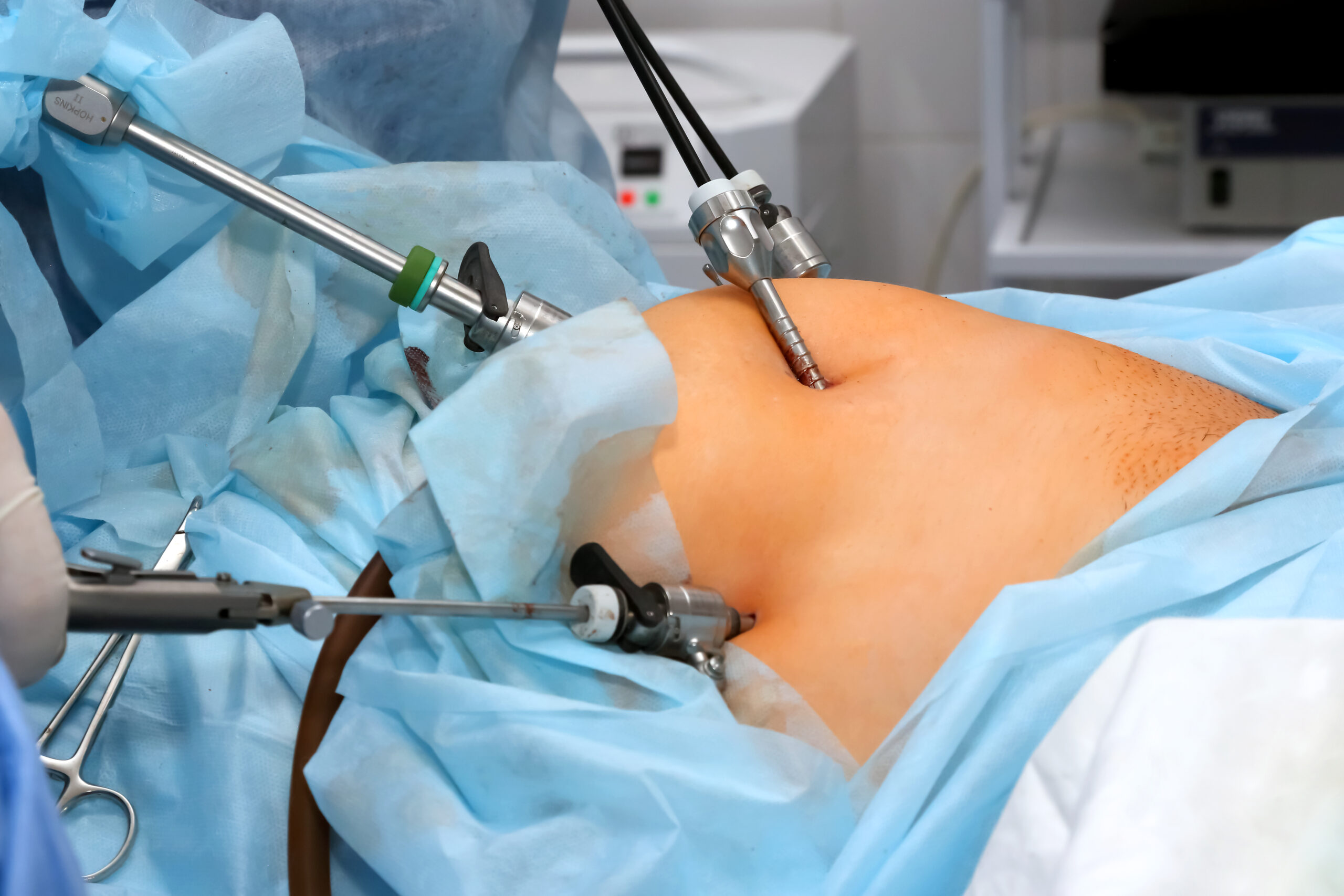
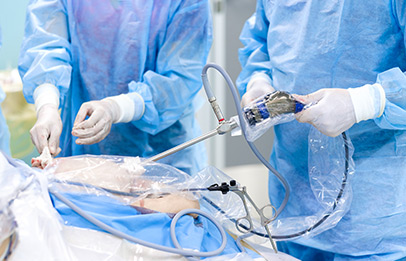
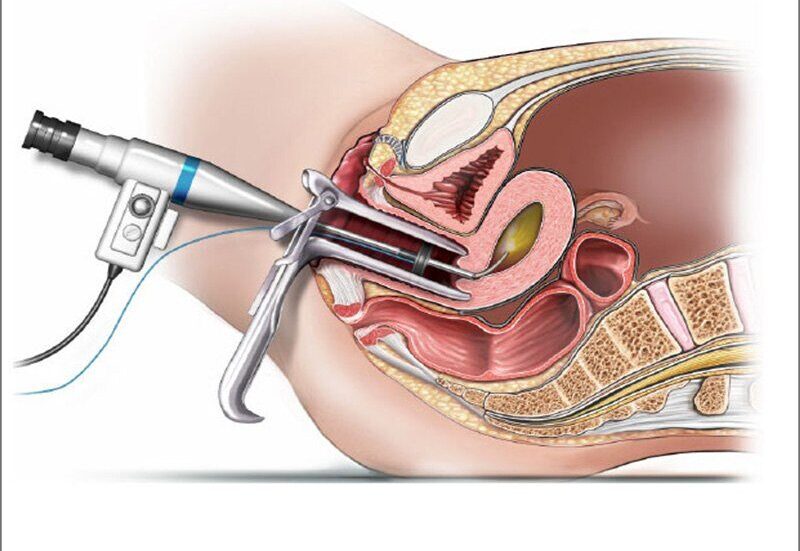
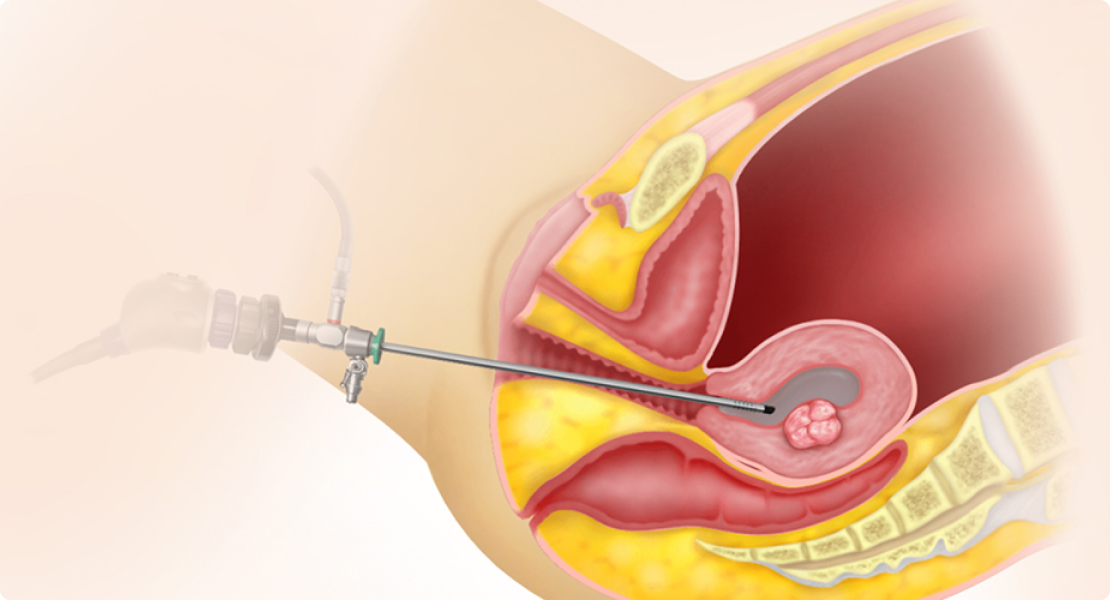
Hysteroscopy is a minimally invasive diagnostic and therapeutic procedure that allows direct visualisation of the uterine cavity using a thin telescope inserted through the cervix. It helps identify and treat uterine conditions affecting fertility, implantation, and menstrual health with high precision, enabling accurate diagnosis, targeted treatment, faster recovery, and same-day discharge in most cases.

Day-Care Hysteroscopy Procedures

Most hysteroscopy procedures are performed as day-care surgeries, allowing patients to return home the same day. Common procedures include:

Uterine Cavity Evaluation
Direct visual assessment identifies intrauterine abnormalities affecting fertility and implantation outcomes.
Minimally Invasive Diagnosis
No incisions required, enabling precise diagnosis with minimal discomfort and faster recovery.
Day-Care Uterine Procedure
Performed as outpatient procedure allowing same-day discharge and quick return home

Diagnostic Hysteroscopy

Diagnostic hysteroscopy is a minimally invasive procedure that allows direct visual assessment of the uterine cavity using a thin optical instrument inserted through the cervix. It helps accurately diagnose uterine conditions that may affect fertility, implantation, or menstrual health, especially when imaging findings are unclear.

Indications:

  • Infertility evaluation: Identifies uterine factors affecting conception.
  • Recurrent implantation failure: Detects subtle cavity abnormalities.
  • Recurrent pregnancy loss: Assesses uterine causes of miscarriages.
  • Abnormal uterine bleeding: Identifies polyps, fibroids, or lesions.
  • Suspected uterine anomalies: Confirms congenital or acquired abnormalities.
  • Ultrasound-detected pathology: Confirms intrauterine findings accurately.
  • Post-IVF assessment: Ensures uterine cavity before treatment.

Why Choose Precise Hospital for This Treatment

  • At Precise Hospital, our experienced doctors perform diagnostic hysteroscopy using advanced technology to accurately identify uterine issues, ensure clear diagnosis, enable timely treatment, and improve fertility and reproductive outcomes.

Hysteroscopic polypectomy

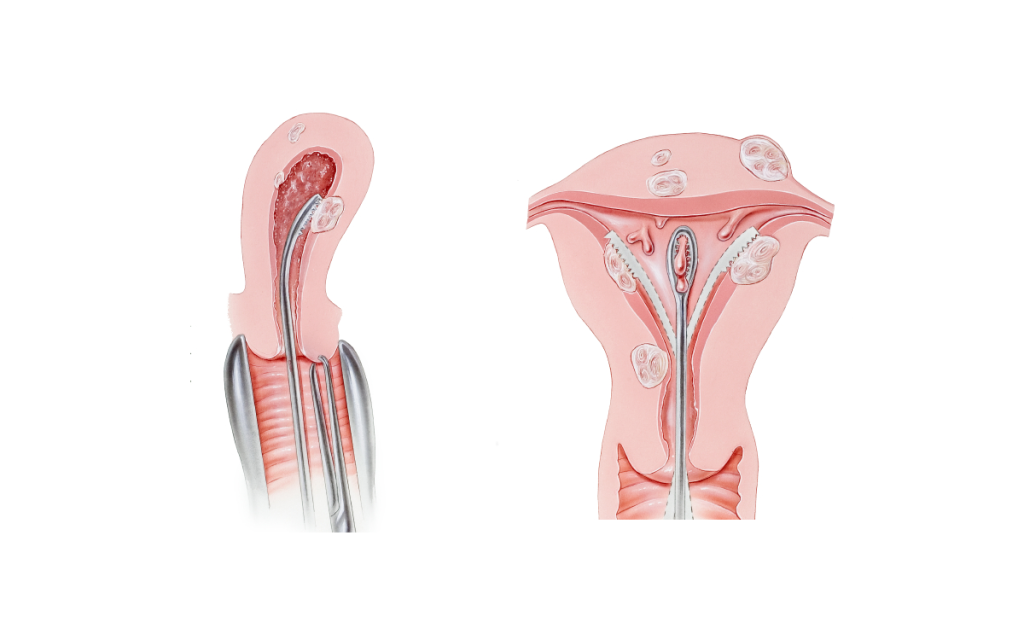
Hysteroscopic polypectomy is a minimally invasive gynecological procedure used to remove endometrial polyps (abnormal tissue growths) from inside the uterus. It is performed using a hysteroscope — a thin, lighted telescope inserted through the vagina and cervix, allowing direct visualization of the uterine cavity and precise removal of the polyp without any external cuts.

Indications:

  • Infertility or delayed conception
  • Recurrent implantation failure during IVF
  • Abnormal uterine bleeding (heavy, irregular, or intermenstrual bleeding)
  • Ultrasound-detected endometrial polyps

How precisely is the treatment given?

  • Performed under short anesthesia, hysteroscopic polypectomy uses magnified vision for precise polyp removal, preserving healthy tissue, minimizing trauma, and enabling quick recovery as a day-care procedure.

Hysteroscopic Myomectomy

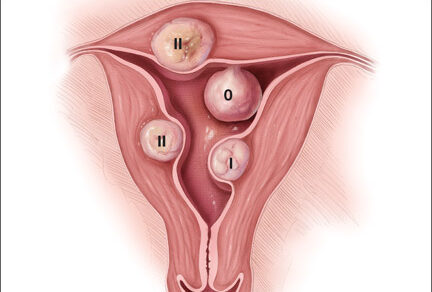
Hysteroscopic myomectomy is a minimally invasive surgical treatment used to remove submucosal uterine fibroids (myomas) that grow inside the uterine cavity. The procedure is performed through the vagina using a hysteroscope, avoiding external incisions and preserving the uterus.

Indications:

  • Heavy or prolonged menstrual bleeding
  • Infertility or difficulty conceiving due to fibroids
  • Recurrent implantation failure or miscarriage
  • Ultrasound-confirmed submucosal fibroids

Why Choose Precision Care for Hysteroscopic Myomectomy?

Precision Care offers expert specialists experienced in hysteroscopic fibroid surgery, supported by advanced hysteroscopy systems that provide clear, magnified visualization. This ensures accurate, targeted fibroid removal while preserving healthy uterine tissue, minimizing bleeding and complications. As a day-care procedure, it allows faster recovery and an early return to normal life.

HYsteroscopic removal of RPOC

Hysteroscopic removal of retained products of conception is a minimally invasive procedure used to remove residual pregnancy tissue remaining in the uterus after miscarriage, delivery, or termination. Using a hysteroscope, the uterine cavity is directly visualized, allowing precise and complete removal while protecting healthy endometrium.

Indications:

  • Persistent bleeding after miscarriage or delivery
  • Ultrasound-confirmed retained products of conception
  • Post-pregnancy infection or uterine inflammation
  • Menstrual irregularities following pregnancy events

How precisely is the treatment performed in the hospital?

Hysteroscopic removal of retained products of conception is performed under short anesthesia or sedation using a hysteroscope that provides clear, magnified visualization of the uterine cavity. This allows precise and selective removal of retained tissue while preserving the healthy endometrium, reducing bleeding, preventing adhesions, and minimizing complications. 

Hysteroscopic Removal of Intrauterine Foreign Bodies

Hysteroscopic removal of intrauterine foreign bodies is a minimally invasive procedure used to safely remove retained or misplaced IUCDs, sutures, or other foreign materials from the uterine cavity. Using a hysteroscope, the uterus is directly visualized, allowing accurate identification and controlled removal without damage to surrounding uterine tissue.

Indications:

  • Missing or non-visible IUCD strings
  • Embedded or displaced IUCD
  • Persistent pelvic pain or abnormal bleeding
  • Infertility or recurrent uterine infections

Precision Care Approach at Our Hospital

Hysteroscopic removal uses advanced technology and expert techniques for precise foreign body extraction, preserving uterine tissue, minimizing complications, and enabling safe day-care treatment with quick recovery.

Hysteroscopic Septal Resection

Hysteroscopic septal resection is a minimally invasive procedure to correct a uterine septum, a congenital condition where a partition divides the uterine cavity. It helps improve implantation and pregnancy outcomes by restoring normal uterine shape.

Indications:

  • Recurrent pregnancy loss associated with a uterine septum
  • Infertility or repeated implantation failure
  • Septate uterus detected on imaging or hysteroscopy

How precisely is the treatment performed in the hospital?

Precision care focuses on accurate diagnosis and meticulous correction of the uterine septum using advanced hysteroscopic technology. Direct, magnified visualization allows careful division of the septum while preserving healthy uterine tissue. This targeted approach minimizes bleeding, reduces the risk of adhesions, enhances uterine cavity restoration, and improves reproductive outcomes. The procedure is usually performed as a safe day-care treatment with faster recovery and optimal patient comfort.

Hysteroscopic adhesiolysis for Asherman’s syndrome

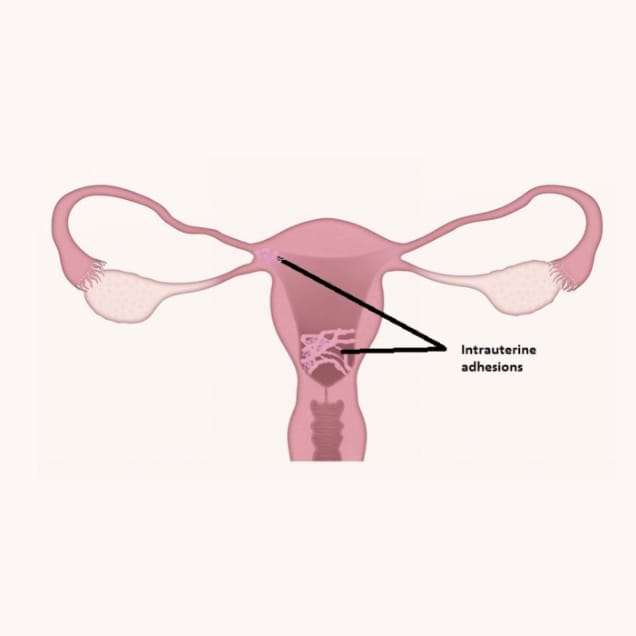
Hysteroscopic adhesiolysis is a minimally invasive procedure used to treat Asherman’s syndrome, a condition characterized by intrauterine adhesions or scar tissue within the uterine cavity. These adhesions can disrupt normal menstruation and fertility. The procedure involves cutting and removing adhesions under direct hysteroscopic vision to restore the normal uterine cavity.

Indications:

  • Reduced or absent menstrual flow (hypomenorrhea or amenorrhea)
  • Infertility or difficulty conceiving and recurrent pregnancy loss
  • Intrauterine adhesions detected on imaging or hysteroscopy

Modern Minimally Invasive Approach

The procedure is performed under short anesthesia using a hysteroscope that provides clear, magnified visualization of the uterine cavity. Adhesions are carefully released with specialized instruments, preserving healthy endometrial tissue and minimizing trauma. This precise approach reduces complications, lowers the risk of re-adhesion, and is usually completed as a day-care procedure with faster recovery.

⁠Fertility-Enhancing Procedures

Fertility-enhancing procedures are specialized interventions designed to improve the uterine environment, enhance endometrial receptivity, and increase the chances of successful implantation and pregnancy, especially in women facing infertility or repeated treatment failure.

  • Endometrial Scratch:A minor procedure performed in selected infertility cases to stimulate endometrial repair and improve implantation potential.
  • Hysteroscopy Prior to IVF / ICSI: A diagnostic evaluation to assess and optimize the uterine cavity before assisted reproductive treatments, helping improve IVF/ICSI success rates.
  • Targeted Biopsy of Endometrial Lesions: Direct sampling of abnormal endometrial areas under hysteroscopic guidance for accurate diagnosis and personalized treatment planning.

How advanced care ensures precision

Performed with advanced hysteroscopic technology and expert care, these procedures ensure precise treatment, minimal trauma, fewer complications, and improved fertility outcomes with quick day-care recovery.

At Precise Hospital, we deliver high-quality medical and surgical care through experienced specialists, advanced technology, and patient-focused practices in General Surgery, Gynaecology & Obstetrics, and Gastroenterology.

Contact With Us!

Opening Hours:  Monday – Thursday 08:00 – 18:00, Friday 09:00 – 17:00, Saturday 07:30 – 20:30, Sunday 08:30 – 19:30

Phone Number: +91 99666 33591

Copyright © 2026 Precise Hospital, All rights reserved